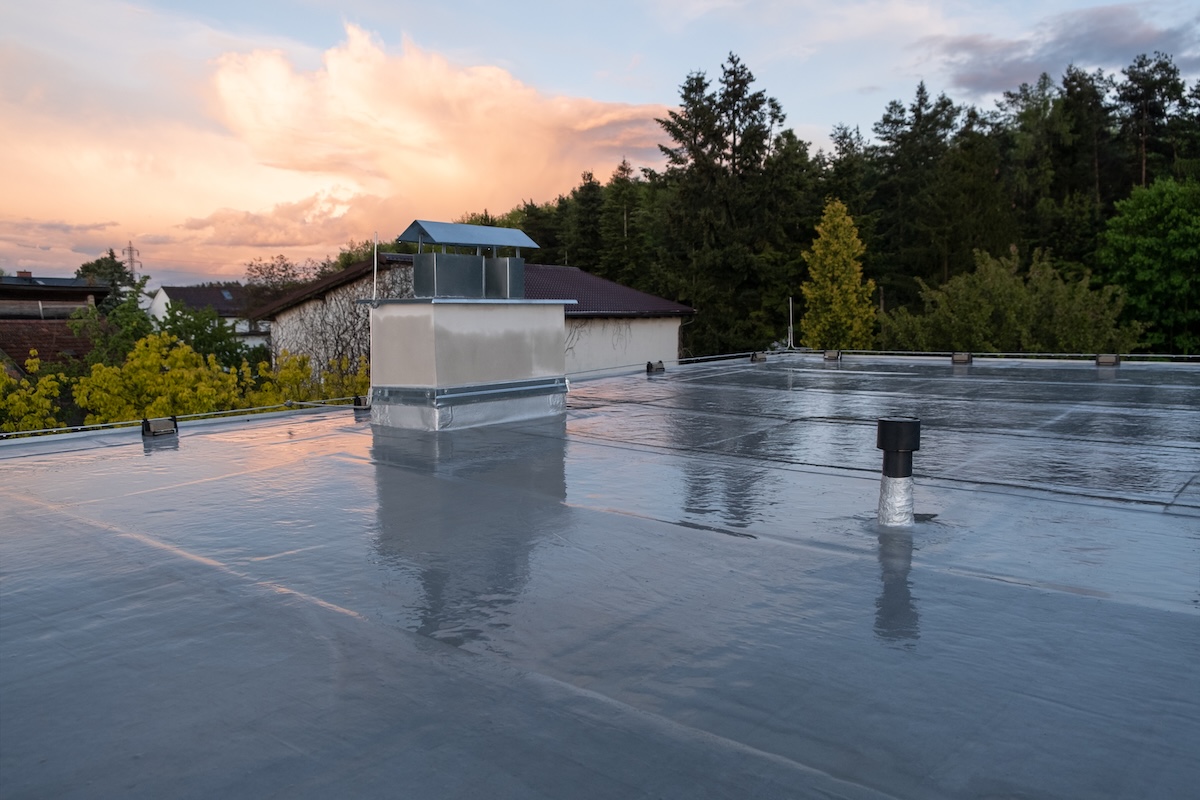
5 Top Flat Roof Materials & Their Benefits
Posted May 1st, 2025 | 8 min. Read
Flat roofs are a fantastic option for homeowners seeking a modern aesthetic, space efficiency, and functional roofing. But when it comes to choosing the right material for a flat roof, the options can be overwhelming. From durability to ease of maintenance, each type of flat roof material offers unique benefits.
This article will guide you through the most popular flat roof materials, their advantages, and what makes them a fit for your home. Here’s what we’ll cover:
- The top flat roof materials for homeowners
- Key features of each flat roof material
- Benefits and best use cases for your home
🤔 Why Consider Flat Roofs?
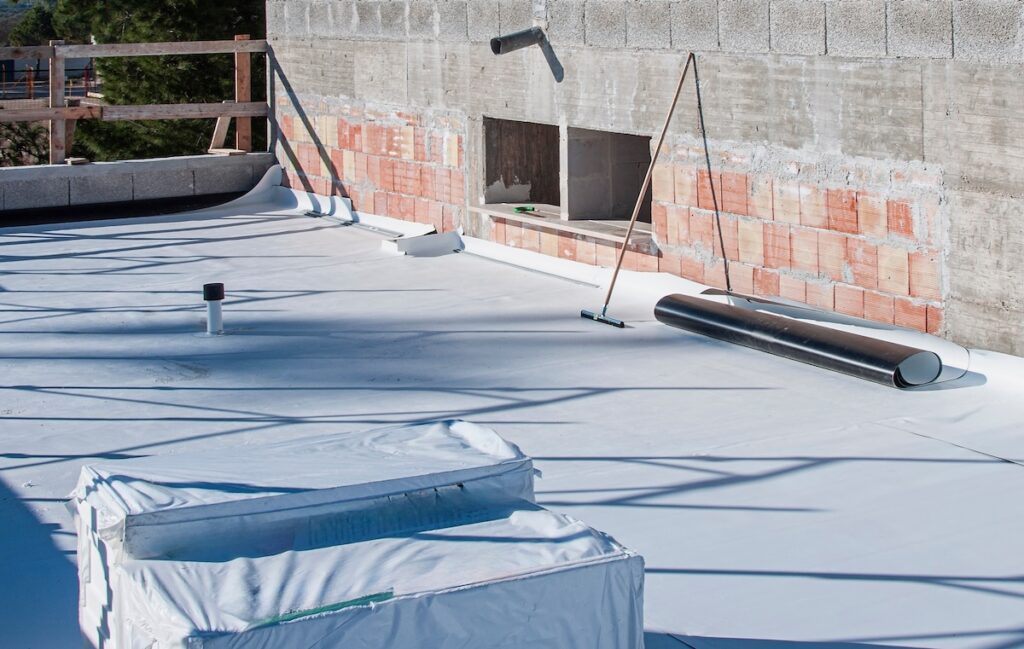
Flat roofs are a practical and versatile roofing option, commonly found on modern or minimalist-style homes. They are known for their clean, sleek lines, which complement contemporary architectural designs. Beyond their aesthetic appeal, flat roofs offer functional advantages that make them an attractive choice for homeowners. Whether you’re looking for additional outdoor space, a cost-effective roofing solution, or a way to enhance your home’s modern look, flat roofs provide a range of benefits worth considering.
- Additional Usable Space: Flat roofs can be transformed into rooftop terraces, gardens, or solar panel installations.
- Cost-Effective: Flat roofs are generally easier and faster to install than sloped roofs, often translating into lower costs.
- Modern Aesthetic: The streamlined look of a flat roof can beautifully complete a contemporary home design.
✅ 5 Top Flat Roof Materials
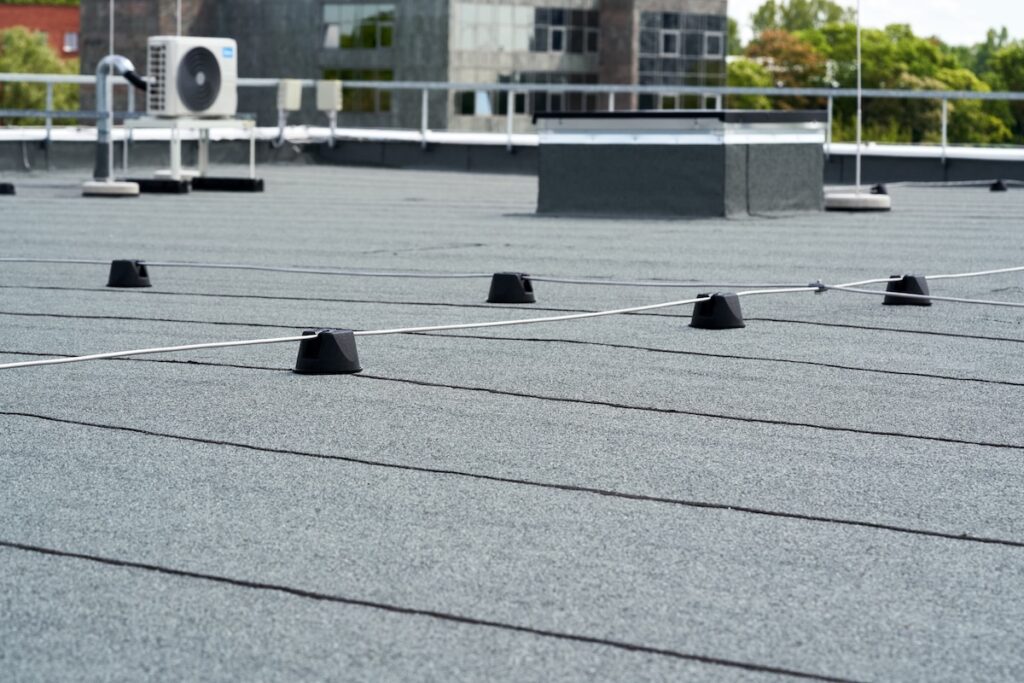
Not all materials are created equal when it comes to flat roofs. Each type of material comes with specific strengths, making it essential to choose the right one for your home. Below, we outline the most popular choices for flat roof materials and their benefits:
1. EPDM (Ethylene Propylene Diene Monomer) Rubber Roofing
EPDM is a synthetic rubber roofing membrane that stands out for its toughness, flexibility, and affordability. This material can endure up to 50 years or more with proper care, making it a long-lasting choice for many homeowners. One of its key strengths is its ability to withstand extreme weather conditions, including heavy rain, snow, and intense heat, without cracking or deteriorating. It is also lightweight, which makes the installation process straightforward and less labor-intensive compared to other roofing materials. Homes located in areas with significant temperature fluctuations benefit greatly from EPDM, as the material resists shrinking and cracking, providing reliable protection over time. For those looking to extend the lifespan and performance of their EPDM roofs, applying specialized coatings designed for UV protection is highly recommended. These coatings not only prevent damage from prolonged sun exposure but also enhance the overall durability of the material.
2. TPO (Thermoplastic Polyolefin) Roofing
TPO roofing is rapidly growing in popularity due to its eco-friendly design and reflective surface that significantly boosts energy efficiency. This roofing material excels in reducing heat absorption, which helps to keep homes cooler during the summer months, leading to lower energy consumption and reduced utility bills. TPO is also highly resistant to mold, dirt, and punctures, making it a low-maintenance option for homeowners seeking a durable and clean-looking roof. Its recyclability adds to its appeal as a sustainable and environmentally conscious choice. TPO roofing is especially well-suited for homes where energy efficiency is a top priority. Pairing TPO with high-quality insulation can further amplify its cooling benefits and contribute to even greater energy savings, ensuring comfort and cost-effectiveness for years to come.
3. PVC (Polyvinyl Chloride) Roofing
PVC roofing stands out as a durable and energy-efficient option, suitable for both residential and commercial applications. This material offers exceptional strength and is highly resistant to punctures and fire, making it a reliable solution for long-term use. The flexibility of PVC is particularly beneficial for roofs with unique shapes or structures, as it easily conforms to irregular surfaces without compromising performance. PVC roofing is also designed to last, with a lifespan of up to 30 years when properly maintained. Homes located in warmer climates benefit significantly from PVC’s excellent resistance to UV rays and high temperatures, ensuring consistent performance even under intense sunlight. While PVC may require a higher initial investment, it offers homeowners long-term savings by reducing the need for frequent repairs and maintenance. For those seeking maximum durability and efficiency, PVC is a dependable choice that delivers consistent results.
4. Modified Bitumen Roofs
Modified bitumen roofing is crafted using layers of asphalt that are reinforced with additional materials, resulting in a highly durable and strong roofing solution. This type of roof is a cost-effective option for homeowners seeking long-lasting protection without breaking the bank. It is particularly well-suited for flat roof decks or areas that experience heavy foot traffic, as the reinforced layers provide extra durability to withstand frequent use. In addition to its durability, modified bitumen roofing offers good UV protection when paired with reflective coatings, helping to reduce heat absorption and improve energy efficiency. Its layered structure makes it a reliable option in protecting homes from harsh weather conditions, ensuring consistent performance over time. For homeowners looking for a combination of strength, affordability, and low-maintenance requirements, modified bitumen roofing delivers on all fronts, making it an excellent choice for various applications.
5. BUR (Built-Up Roofing)
Built-up roofing, commonly referred to as tar-and-gravel roofing, is constructed using multiple layers of materials, including asphalt and felt, to create a strong and durable roof. This type of roofing is well-known for its ability to provide excellent protection against water leaks, making it a reliable choice in regions prone to heavy rainfall or snow. The multiple layers in BUR not only strengthen the roof but also provide good insulation, helping to regulate indoor temperatures and improve energy efficiency. With proper maintenance, a BUR roof can last for many years, providing consistent performance and protection. Homes in regions with severe weather conditions benefit significantly from the added strength and stability that BUR offers, ensuring the roof can withstand extreme elements. For homeowners looking to enhance energy efficiency further, a reflective top layer can be added to reduce heat absorption and contribute to a more sustainable and cost-effective roofing solution.
👉 How to Choose the Right Flat Roof Material
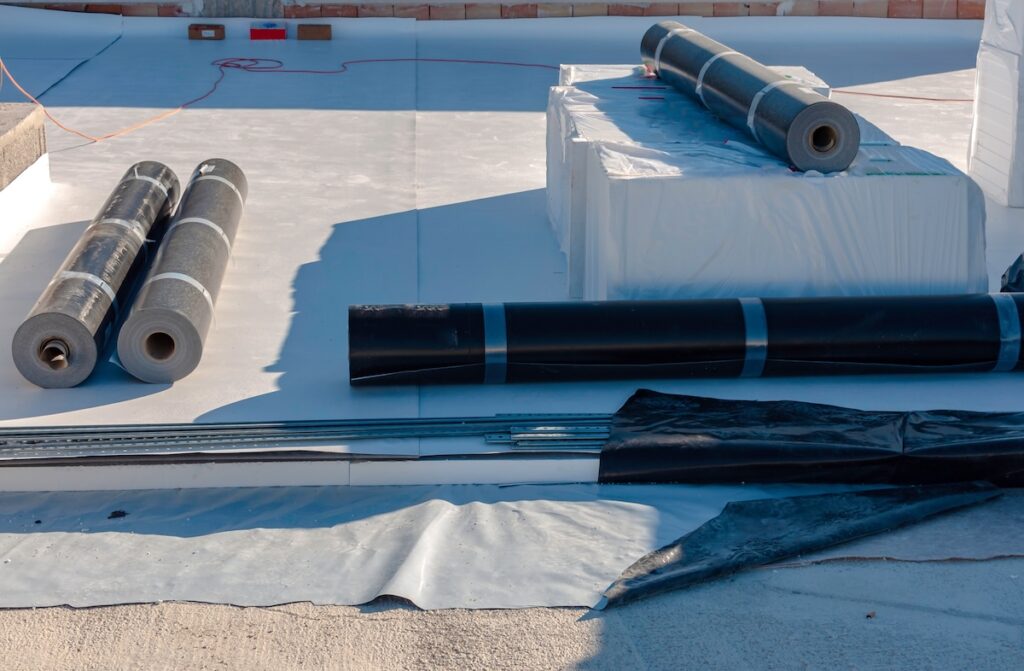
Deciding on the best flat roof material for your home involves considering several factors:
Climate
If you live in a region with consistently high temperatures, the type of roofing material you choose can make a big difference in your home’s energy efficiency. Reflective surfaces like PVC (Polyvinyl Chloride) or TPO (Thermoplastic Polyolefin) are excellent options for hot climates because they are designed to reflect sunlight rather than absorb it. This helps reduce the heat that enters your home, keeping indoor temperatures cooler and lowering your reliance on air conditioning. Over time, this can also result in significant energy savings, making these materials both an eco-friendly and cost-effective choice.
Budget
When it comes to roofing, your budget plays a major role in determining which materials are suitable for your flat roof. If cost is a primary concern, more economical options like BUR (Built-Up Roofing) or EPDM (Ethylene Propylene Diene Monomer) might be the best fit. These materials are affordable and still provide reliable protection for your home. However, if you have the flexibility to invest more upfront, higher-end options like PVC or TPO may offer additional benefits, including better energy efficiency, increased durability, and a longer lifespan. While the initial costs may be higher, their long-term performance can save you money on repairs and energy bills over the years.
Usage
The way you plan to use your flat roof is another critical factor in choosing the right material. If you envision your roof serving as a functional outdoor space, such as a deck, patio, or garden, you’ll need materials that can handle extra weight and wear. In these cases, robust options like BUR or modified bitumen are ideal. These materials are designed to stand up to heavy foot traffic and the added stress of planters, furniture, or other elements. They also offer extra durability, ensuring your roof remains safe and functional even under demanding conditions. By investing in the right materials, you can transform your flat roof into a versatile and long-lasting extension of your living space.
🏢 Flat Roof Materials
Choosing the right flat roof material is an important decision, and at Certified Roofing Solutions, we’re here to make the process simple and stress-free. With our expertise, commitment to quality, and focus on customer satisfaction, you can trust our team to deliver a flat roof that’s durable, functional, and visually appealing.
From material selection to professional installation and ongoing maintenance, we’ve got you covered every step of the way. Ready to get started? Contact Certified Roofing Solutions today for a free consultation and let us help you protect your home with the best flat roof solution for your needs!